
Why Food & Beverage Has Become a Strategic Advantage for Hotels
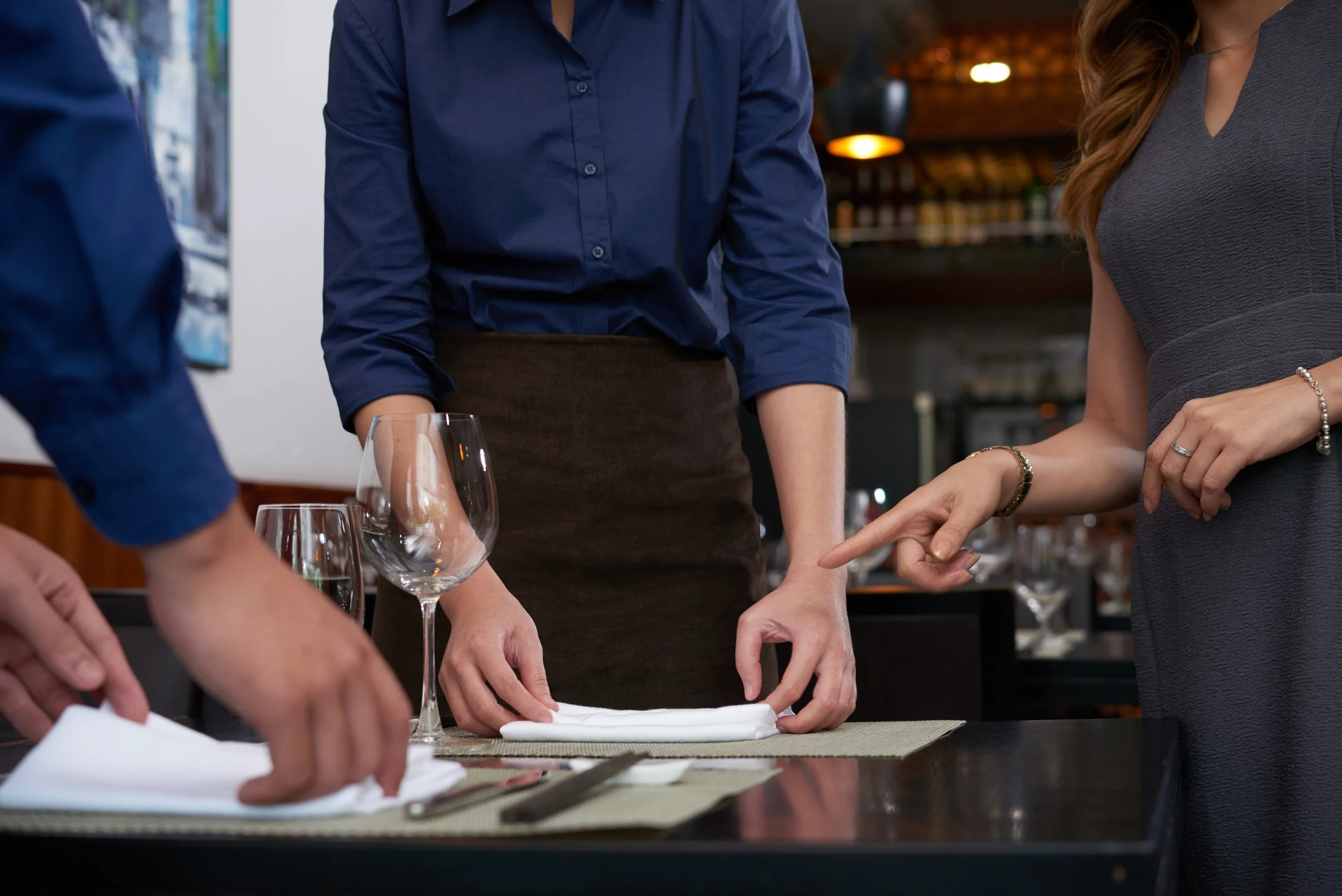
Hotel food and beverage is no longer just a supporting amenity for many properties.
Restaurants, bars, cafés, rooftop venues, poolside service, private events, and curated culinary programs can influence how guests choose, experience, and remember a hotel.
They can also create additional revenue opportunities throughout a single stay.
A guest may order room service in the morning, buy coffee before a meeting, dine by the pool in the afternoon, visit the rooftop bar before dinner, and charge the entire experience to the room.
Each interaction is both a service moment and a revenue moment.
That makes food and beverage a strategic opportunity.
It also makes operational execution more important.
Strong concepts still need strong operations
A great restaurant concept can attract attention.
A great operation keeps the experience consistent.
As hotel food and beverage programs become more ambitious, the operational demands increase. Teams must manage menus, payments, room charges, staffing, reporting, reconciliation, inventory, events, and service standards across multiple environments.
A rooftop bar does not operate like a banquet event. A lobby café does not operate like a fine dining restaurant. Room service has different needs than poolside dining.
Each venue needs flexibility.
But the guest journey still needs to feel connected.
That balance is where operational excellence becomes essential.
F&B growth can create complexity
Food and beverage expansion often looks like a revenue opportunity from the outside.
Behind the scenes, it can add more training, more manual work, more reporting complexity, and more coordination across departments.
If the operational foundation is fragmented, every new outlet or service model can increase pressure on staff and managers.
This is where hotels can unintentionally create drag.
The business grows, but the operation becomes harder to manage. Staff spend more time navigating systems. Managers spend more time reconciling information. Leadership has less visibility into performance across venues.
The result is a food and beverage program with strong potential but avoidable operational strain.
Operational excellence supports revenue
Revenue growth is often discussed in terms of demand, pricing, menu strategy, or guest spend.
Those factors matter.
But operational efficiency also affects revenue performance.
When workflows are simple, staff can serve faster and more confidently. When payments are reliable, transactions move with less friction. When outlets are connected, guests can spend across the property more easily. When reporting is clear, leaders can identify performance trends and respond sooner.
Operational excellence creates capacity.
It gives hotels the ability to launch new experiences, support busy periods, manage diverse venues, and make better decisions without adding unnecessary administrative burden.
F&B is part of the brand experience
For many guests, food and beverage shapes the emotional memory of a stay.
A memorable dinner. A convenient coffee. A poolside lunch. A private event. A rooftop cocktail. These experiences influence how the property is described, remembered, and recommended.
That is why F&B should not be treated as a separate operational island.
It is part of the hotel’s brand promise.
To deliver that promise consistently, hotels need more than great culinary teams and creative concepts. They need connected operations, reliable systems, clear visibility, and workflows that support staff during the moments that matter.
When those elements work together, food and beverage becomes more than an amenity.
It becomes a competitive advantage.