
What High-Performing Hotel Operators Do Differently
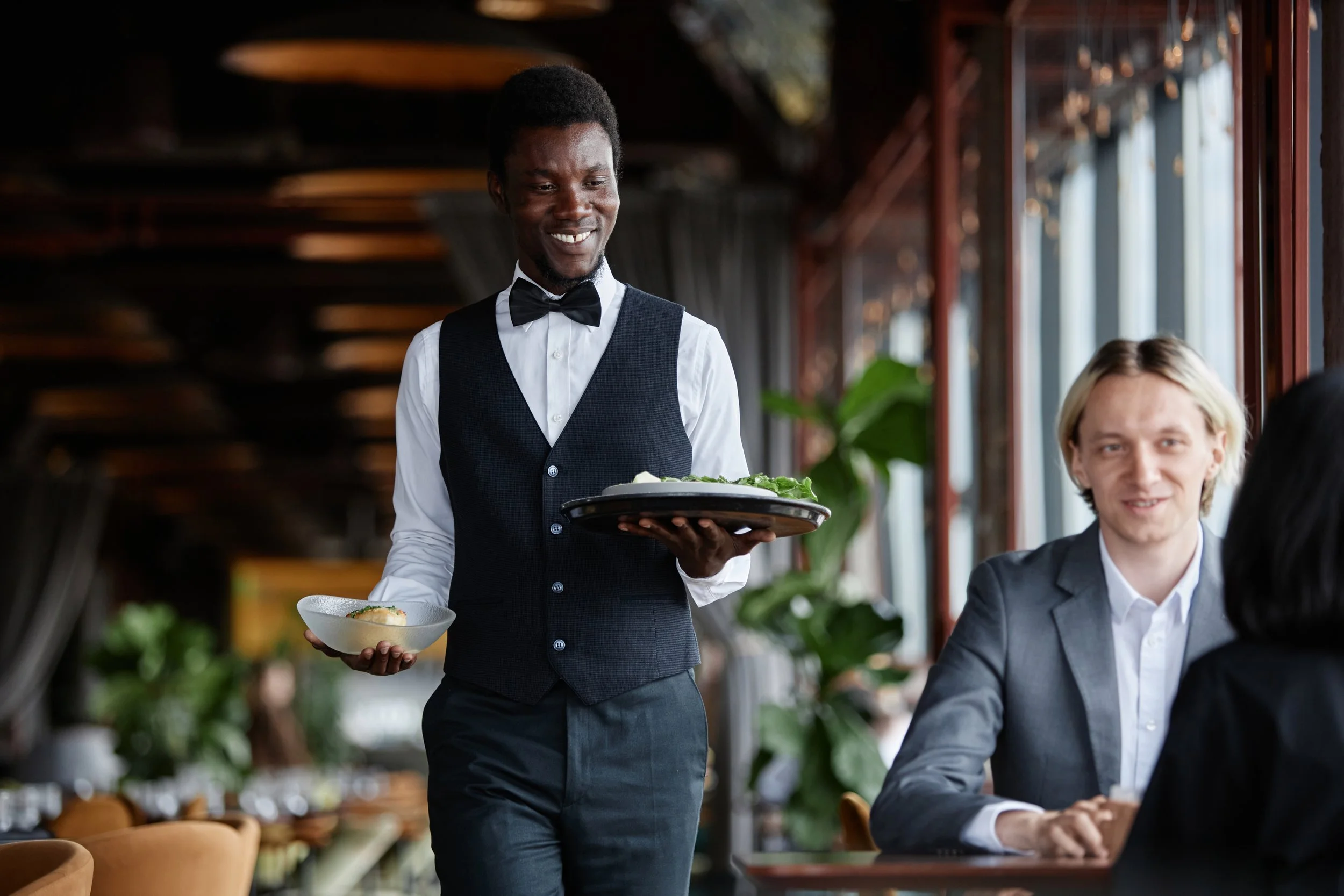
Every hotel wants to deliver exceptional guest experiences.
But some properties are better equipped to do it consistently.
They adapt more easily during busy periods. They onboard staff more confidently. They manage food and beverage growth without creating unnecessary complexity. Their managers spend less time chasing information or troubleshooting systems. Their teams stay focused on hospitality.
The difference is not simply technology.
It is operational discipline.
High-performing hotel operators make decisions differently.
They standardize what should not vary
Hospitality requires flexibility.
A rooftop bar, a banquet event, a lobby café, and a fine dining restaurant should not feel identical.
But certain operational processes should be consistent.
Payment workflows. Room charge processes. Reporting structures. Training expectations. Core staff procedures. These should not change dramatically from one outlet to another unless there is a clear operational reason.
Standardization reduces confusion.
It allows employees to move across venues with more confidence. It helps managers maintain standards. It gives leadership a clearer view of performance.
The strongest operators standardize the foundation while preserving the personality of each venue.
They design operations around employees
Guest experience and employee experience are connected.
When staff are slowed down by complicated workflows, guests feel the delay. When employees rely on workarounds, service becomes less consistent. When managers become technical support during peak periods, teams lose leadership at the moments they need it most.
High-performing operators evaluate decisions through a practical question:
Will this make our teams more effective?
If the answer is no, the initiative may be adding complexity rather than removing it.
Technology should help employees focus on hospitality, not force them to become system experts.
They prioritize reliability before innovation
Hotels are right to explore new technology.
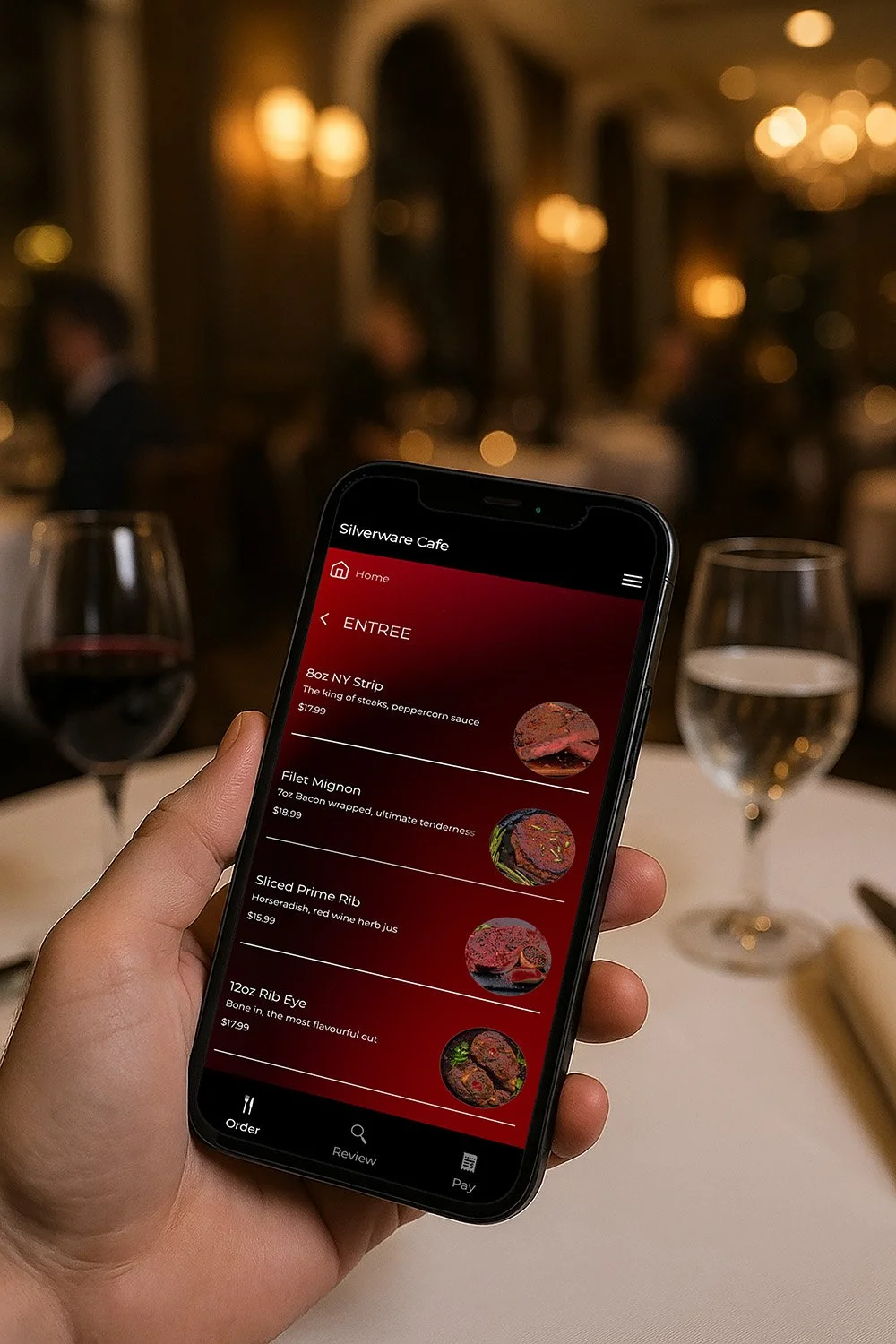
Mobile ordering, digital payments, guest messaging, analytics, and AI all have potential value.
But innovation only helps when the operational foundation is stable.
Adding new tools on top of fragmented workflows can create more training, more support needs, and more points of failure. A modern guest-facing experience can still feel disjointed if the systems behind it are unreliable.
Strong operators prioritize reliability first.
They make sure core workflows perform under pressure. They confirm support is responsive. They evaluate whether new capabilities simplify the operation or add another layer to manage.
Innovation should strengthen hospitality.
It should not distract from it.
They use visibility to lead, not just report
Hotel operations generate constant information.
The question is whether leaders can use it.
High-performing operators do not treat reporting as an after-the-fact exercise. They use operational visibility to identify trends, understand outlet performance, support staffing decisions, and respond before small issues become larger ones.
That requires trusted information.
If managers are gathering reports manually or comparing conflicting data sources, decisions slow down. If leadership lacks a clear view across outlets, performance conversations become less precise.
Visibility gives leaders confidence.
Confidence improves decision-making.
They choose partners, not just vendors
Hotel operations change constantly.
Menus change. Venues change. Guest expectations change. Service models change. Business priorities change.
That is why high-performing operators look beyond feature lists when evaluating technology. They also consider whether the provider understands hospitality, supports the operation, and can evolve with the business.
A vendor sells a tool.
A partner helps protect the operation.
That distinction matters when systems are central to payments, reporting, room charges, staff workflows, and guest experience.
They keep the guest at the center
Operational excellence should never become an internal exercise disconnected from hospitality.
The purpose is not efficiency for its own sake.
The purpose is to make service easier to deliver.
Every operational improvement should eventually support a better guest experience: faster service, more confident staff, fewer interruptions, clearer information, stronger consistency, or smoother movement across the property.
High-performing operators understand that the guest experience begins long before the guest notices it.
It begins with the operational choices that make hospitality feel effortless.